

The Souled Store: The Making Of A ₹700 Cr D2C Lifestyle Brand On Fandom Fashion
 Superadmin




India’s estimated $100 Bn D2C ecosystem is full of lucrative opportunities. A massive consumer pool, evolving spending patterns, and a growing appetite for quality products are reshaping the sector and rewriting the rules for brands willing to play the long game.




But cracking the D2C code for consumers is easier said than done. The D2C space has seen the rise of dozens of successful fashion brands, yet it remains the graveyard for thousands that could never adapt fast enough to keep pace with the evolving market. Few brands like The Souled Store have managed to stay the course on the blazing turf while zooming faster than imagined.
Founded in 2013 by Vedang Patel, Rohin Samtaney, Aditya Sharma, and Harsh Lal, The Souled Store started as a branded merchandise apparel platform at a time when India’s pop culture merchandise market was still largely unorganised. Most products in the space were either unlicensed or of poor quality, leaving fans with few authentic options.
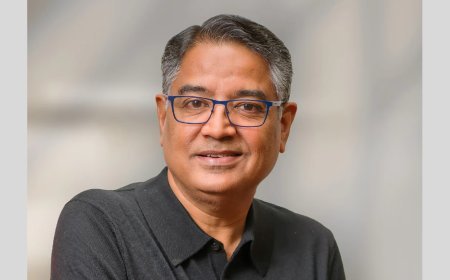
“We saw an opportunity to build a brand that combined authentic licensed fandom with high-quality apparel that people could wear every day,” Patel said in an interaction with Inc42.
Over the years, The Souled Store expanded beyond graphic tees into a broader lifestyle offering, introducing categories such as shirts, denims, footwear, women’s wear and accessories while continuing to anchor its identity in fandom culture. Today, with more than 200 licensed collaborations with global entertainment franchises, including One Piece, Naruto, and Marvel, they remain a key part of the brand’s DNA.
The brand has also built the infrastructure required to scale a D2C fashion business in India. The company operates a strong digital-first platform that allows it to track customer behaviour and iterate rapidly on product designs.
At the same time, it has been extending its brand beyond products into culture and community. The company was recently invited to showcase at Paris Fashion Week, where it presented a collection inspired entirely by Indian culture, signalling its intent to take its design language to a global stage.
It has also been actively building community-led experiences through initiatives like The Souled Store Super Screenings, where hundreds of fans come together to watch new releases from their favourite franchises. These efforts deepen engagement and turn fandom into a shared, participatory experience rather than a purely transactional one.
The brand has also built an offline presence, with over 70 stores across the country. In Patel’s words, it has “significantly widened the brand’s reach,” bringing The Souled Store closer to customers who might never have discovered it online.
To date, the fashion brand has raised more than $24 Mn from investors like Elevation Capital and RPSG Capital Ventures. The company turned profitable in FY24 and ended FY25 with profits reaching ₹11 Cr and operating revenue rising 37% from ₹360.2 Cr to ₹492.4 Cr.
Logistics Backbone Behind The Growth
For digital-first fashion brands, the real test of the customer experience begins after checkout. Getting the product to customers on time, in perfect condition, and with minimal friction – these are the areas where a brand promise either holds up or falls apart. And, in a category as fast-moving and unpredictable as fashion, that promise can break more often than one can anticipate.
Patel said logistics plays a direct role in shaping repeat purchases and long-term loyalty for The Souled Store. “For us, ensuring strong logistics performance means customers can trust that when they order from The Souled Store, they’ll receive their product on time and in great quality.
Fashion also deals with some of the highest return rates in online retail. Sizes may not fit, colours can look different on screen, and customers often change their minds if deliveries take too long. For a D2C brand operating at scale, this quickly becomes more than just a customer experience issue. It turns into a complex operational challenge.
Reverse logistics adds another layer to the problem. Handling returns and exchanges efficiently is critical, and Patel described it as “extremely important” for maintaining both customer satisfaction and operational sustainability.
As The Souled Store’s order volumes grew and the brand expanded beyond metro markets into Tier II and III cities, that complexity only increased. Delivering to a customer in Pune is very different from delivering to one in Guwahati. Delivery timelines vary, carrier networks differ, and return pickup infrastructure does not scale uniformly across the country.
To stay ahead of these challenges, the company began tightening several aspects of its operations. It invested in better packaging, shortened dispatch timelines and built more proactive customer support systems. The objective, according to him, was clear: “The experience of receiving a Souled Store product should match the excitement customers feel when they order it.”
A key part of making that happen has been the brand’s partnership with Shadowfax. Patel describes the collaboration as instrumental in helping The Souled Store scale its operations without compromising on service quality.
“As order volumes grow and our reach expands across cities, having dependable logistics partners helps ensure operational efficiency and consistent delivery performance,” he says. According to Patel, Shadowfax brings scalable infrastructure, technology-enabled tracking and the ability to support faster fulfilment options, including same-day delivery in select markets, something young consumers increasingly expect.
The impact of the brand’s collaboration with Shadowfax has been very tangible. It has helped narrow the gap between the excitement of placing an order and the satisfaction of receiving it. “Quicker delivery increases the chances of customers coming back and ordering again from us,” Patel says. “Shadowfax helps enable that for The Souled Store,” he added.

Eye On Design Innovation, Omnichannel Expansion
As The Souled Store enters its next phase of growth, the brand is leaning further on the audience that helped shape its identity in the first place: Gen Z and millennials. For these consumers, fashion is often an extension of personality and community.
With that in mind, the company’s product philosophy continues to centre on thoughtful design, subtle references and storytelling that resonate with fandom culture, rather than simply placing popular characters or logos on merchandise.
“The idea is to create great designs that feel culturally relevant while remaining wearable as everyday fashion,” Patel told Inc42.
The Souled Store’s omnichannel strategy has become another key pillar supporting its expansion. Rather than treating online and offline as separate channels, the company sees them as parts of a single ecosystem designed to deliver a consistent brand experience.
“Our physical stores allow customers to interact with the brand and discover products in a more immersive way,” Patel said. “Customers might discover a product in-store and complete the purchase online, or browse digitally and later visit a store to experience the brand in person.”
As consumer behaviour continues to shift between digital and physical touchpoints, building systems that allow these channels to work seamlessly together is becoming increasingly important.
These shifts across product design, distribution and backend infrastructure have begun reflecting in the company’s growth trajectory. “We are on track to close FY26 with revenue of nearly ₹700 Cr, led by a combination of factors including our expansion beyond T-shirts, deeper licensing partnerships and a steadily growing omnichannel presence.”
As the brand scales further, strengthening backend capabilities will remain central to sustaining this momentum. Patel said the company continues to invest in the infrastructure needed to support rising demand and ensure the customer experience remains a core differentiator as the business grows.
The post The Souled Store: The Making Of A ₹700 Cr D2C Lifestyle Brand On Fandom Fashion appeared first on Inc42 Media.