

Inside Khetika’s Bet To Build A ₹2,000 Cr Staples Brand
 Superadmin




From the field to the factory, with multiple touchpoints in between, packaged foods seem to be increasingly detaching consumers from the basic origins of what they eat.




As most staples move through fragmented supply chains with several intermediaries and short sourcing windows, strict monitoring becomes almost impossible, which gives adulteration, quality downgrades and excessive use of preservatives easy access.
Mumbai-headquartered Khetika chose to pepper up the supply chain as India’s $22.9 Bn packaged food industry grows 6.9% a year to reach $39.6 Bn by 2033.
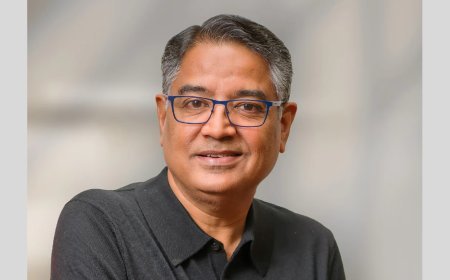
Founders Prithwi Singh, Darshan Krishnamurthy and Raghuveer Allada wanted to address the challenges by rebuilding the staples supply chain around transparency and origin-based sourcing. Launched in 2017, Khetika sources ingredients directly from the growing regions and positions its products as zero-preservative food ingredients, delivering staples closer to their natural form.
The D2C food startup opted for spices. Categories like spices may reach $57.55 Bn by 2034, up from $24.13 Bn, with adjacent segments such as batter and premixes expected to grow from $119.1 Mn to $194.5 Mn by 2030.
Khetika’s model is woven around single-origin sourcing from farmers, low-temperature stone grinding to preserve nutritional value, preservative-free packaging, and an efficient supply chain that delivers the end-product to retailers within 48 hours. The startup also enables traceability through a QR code on each product, allowing consumers to track its journey from farm to fork.
Khetika works with more than 70 SKUs across multiple staple categories, including spices, dosa batter, chutneys, dry fruits, seeds, and makhana. “We run seven manufacturing facilities across India, including batter plants in Mumbai, Delhi, Bengaluru and Hyderabad, a spices plant in Unjha near Ahmedabad, a makhana processing unit in Bihar and a dry fruits facility in Mumbai,” Singh told Inc42.
Backed by investors such as Narotam Sekhsaria Family Office (NSFO), Belgium-based Incofin Investment Management and Anicut Capital, Khetika has raised about $25 Mn in funding so far. The startup reported revenue of ₹247 Cr in FY25 and expects to reach approximately ₹350 Cr at the end of this fiscal while aiming for profitability.

What Made Founders As Keen As Mustard?
Prithwi Singh’s relationship with food has been deeply personal. He grew up in a farming family in a small village in Rajasthan, where food wasn’t abstract or packaged, it was something you watched grow, harvest, and transform. From crops in the field to grains milled into flour at home, he saw the entire journey up close. That early exposure stayed with him, shaping both his curiosity and his career choices.
After completing veterinary studies, he graduated in agribusiness from IIM Ahmedabad and served in various roles at Reliance Retail, Star Bazaar, and BCG, building a strong understanding of how modern food supply chains and retail systems operate. Over time, one contrast became hard to ignore: the gap between the transparent, origin-connected food systems he grew up with and the opaque, packaged experience most urban consumers had come to accept.
“Allada was my dorm mate at IIM Ahmedabad, and that’s where our conversations around food and retail first began. I later met Krishnamurthy at the Tata–Tesco joint venture. He was handling technology and supply chains, while I was at Star Bazaar leading marketing,” Singh shared.
Coming from complementary roles across retail, supply chain and technology, the founders shared a common passion for food and a deep understanding of backend systems.
The trio began with SuperZop, a B2B agri supply chain platform designed to connect farmers directly with retailers and streamline sourcing and distribution. But it soon became clear that fixing the supply chain alone wasn’t enough. The real opportunity lay in building trust with consumers. That insight eventually led to the setting up of Khetika, effectively extending SuperZop’s supply chain into a direct-to-consumer, clean-label food brand.
What’s Inside The Farm-To-Shelf Recipe?
The Khetika model rests on four interconnected components: sourcing staples and spices from authentic origins, processing them through traditional stone grinding, preserving freshness through specialised packaging, and using its digital distribution network SuperZop to move products quickly through the supply chain.
The D2C startup works directly with farmers in regions best suited for specific crops, such as cumin from Western Rajasthan and chillies from Guntur, making the model both quality-focussed and scalable. Through its Khetika Saathi centres, it collaborates with farmers around the year to improve practices and ensure cleaner produce.
As Singh explained, sourcing from the best regions isn’t as simple as it sounds, since most crops are available only for a few months each year, which makes maintaining consistent quality at scale a real challenge.
“We built Khetika Saathi as a farmer-first initiative to build long-term relationships with the growers and stay involved from sowing to harvest to ensure consistency and trust in our sourcing,” he said.
Beyond sourcing, Khetika Saathi also focuses on improving farmers’ incomes through direct linkages by eliminating intermediaries, enhancing crop quality and productivity through soil testing and Integrated Pest Management (IPM) practices, and promoting responsible use of inputs to improve soil health.
The ingredients are then processed in FSSC 22000-certified facilities using methods such as traditional stone grinding, sun-drying, and pasteurised water, helping retain nutrition and flavour while reducing the need for chemical preservatives.
The facilities follow global food safety standards with strict hygiene and testing protocols, while multi-layer aroma-lock packaging for spices helps retain freshness by protecting against moisture and air. On the distribution side, the brand sells through retail and online channels, and also uses SuperZop, its B2B platform for kirana stores, where retailers can order directly via an app with deliveries typically fulfilled within 48 hours, reducing intermediaries and improving pricing, availability, and reliability.
“We treat food almost like medicine,” Singh said. “The idea is to ensure that from sourcing to processing, the product remains as close as possible to its natural state.”

The Road Ahead For Khetika
In India, clean label is not yet a legally defined term. The Food Safety and Standards Authority of India (FSSAI) regulates food safety, permissible additives, and labelling norms. It does not, though, formally define ‘clean label’ as a standard.
Clean-label staples remain a small segment in India, pegged at $3.54 Bn and projected to grow at 6.2% to reach $5.70 Bn by 2030. But Khetika is poised for rapid growth. The company plans to expand into more cities, strengthen its presence across modern retail, ecommerce, and quick-commerce platforms, and launch products such as blended spices and value-added staples.
Its champion products like fresh batters and stone-ground spices have gained traction, catering to consumers seeking healthier, minimally processed options.
The business landscape is crowded. Legacy staples brands dominate the market with scale and recognition, while newer startups like iD Fresh Food and Slurrp Farm are carving a niche in preservative-free and millet-based products. Khetika stands out through direct farm sourcing, single-origin ingredients, and traditional processing, but scaling while maintaining consistent quality, navigating fragmented supply chains, and building consumer trust remain ongoing challenges.
Khetika has its target clearly defined: scale to a ₹2,000 Cr business in the next 2–3 years and eventually go public. Beyond the numbers, the real ambition is to redefine the staples category in India – bringing transparency, traceability, and consistent quality to consumers while setting a benchmark for clean-label food. With its integrated sourcing, processing, and distribution model, Khetika is building not just a brand, but a movement in how people connect with the food they eat.
The post Inside Khetika’s Bet To Build A ₹2,000 Cr Staples Brand appeared first on Inc42 Media.










![[Update] Zaggle Revises DICE Deal Structure, Cuts Acquisition Cost To ₹68 Cr](https://inc42.com/cdn-cgi/image/quality=90/https://asset.inc42.com/2024/12/zaggle-MA-social-.png)